“We need to get better at looking after each other” – Dawn Dines, Stamp out Spiking
- New Stamp Out Spiking and Cardiff University data shows more than 70% of spiking victims still don’t report to police; among those who do, 0% say their perpetrator received a prison or community sentence.
- After years of campaigning, the Crime and Policing Act 2026 includes a new, single offence that explicitly covers spiking.
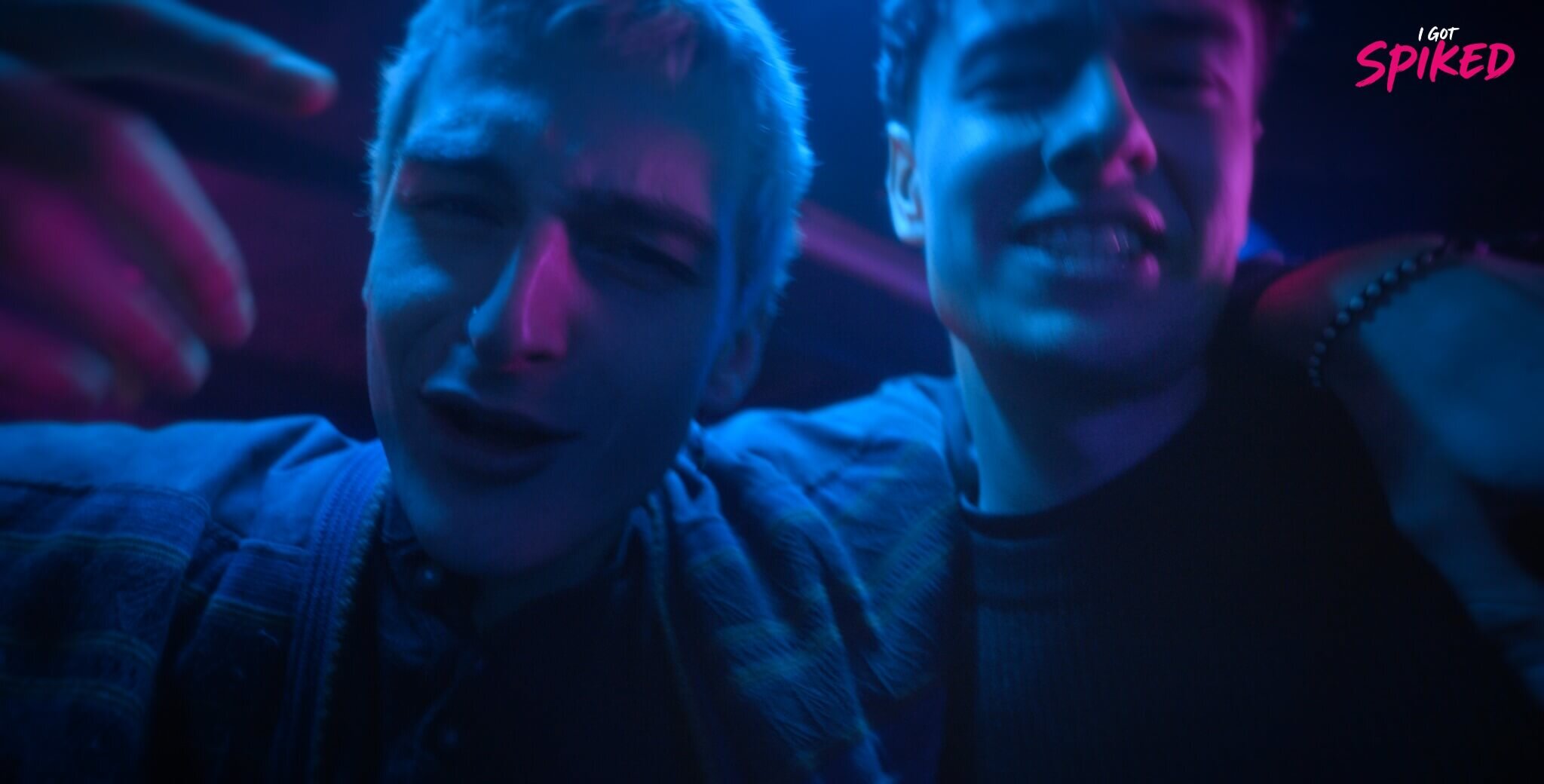
- I GOT SPIKED puts young people inside an ordinary night out as it begins to take a turn, with audiences making choices and Twitch communities shaping the story live.
- Launching on 25 November, the initiative is deliberately timed at the start of the festive season and marks the UN’s International Day for the Elimination of Violence against Women and also the start of the 16 Days of Activism Against Gender-Based Violence.
What happens when an ordinary night out starts to feel wrong? A new interactive awareness campaign launching in the UK today puts young people inside that moment and asks them to decide what happens next.
Partygoers are being urged to look out for one another this festive season as the Crime and Policing Act 2026 gives spiking clearer recognition in UK law. The Act includes a new, single offence that explicitly covers spiking, following years of campaigning by Stamp Out Spiking and its founder Dawn Dines. Dawn, who has campaigned on spiking for more than 20 years, says that while the law is catching up, too many people still struggle to recognise spiking happening to themselves or a friend, or know what to do when it occurs.
Research Findings with Cardiff University
The latest snapshot from Stamp Out Spiking and Cardiff University’s ongoing Victim’s Journey study and its 1000 respondents include:
- 70.38% of victims did not report being spiked to the police, among those who did, 0% say their perpetrator received a prison or community sentence.
- 55% of survivors were aged 18–25, while only 24% noticed any physical sign that their drink had been tampered with
These findings demonstrate that spiking is often hidden and complex to identify in real time, which suggests that telling people to simply ‘watch out’ for themselves isn’t enough. However, after years of campaigning, the Crime and Policing Act 2026 includes a new, single offence that explicitly covers spiking.
A new kind of interactive awareness experience
To address this gap in awareness and intervention, a new interactive awareness campaign launching in the UK today, puts young people inside that moment and asks them to decide what happens next.
I GOT SPIKED asks viewers to make decisions together, shaping what happens next and ultimately deciding how the story ends.
On 25 November, Twitch creators EvieSindorei, Harrie and Alyska will press play on a film they don’t control. Each time the main character Lisa’s night reaches a decision point, the film pauses and everyone watching has 25 seconds to vote. Whether Lisa takes a drink, goes after a friend or steps outside alone, the majority decides what happens next. The community discovers the consequences together.
Lived experience & survivor Voices
Grounding the interactive experience in real-world perspectives, survivors of spiking are joining the campaign to share their stories and encourage others to speak up:
- Kirstie Logan-Townshend, who was spiked with GHB at an Islington pub and hospitalised for several days, has now joined the board of Stamp Out Spiking as a result of her experience. As a mother to a three-year-old daughter, she says: “I cannot go back and change what happened to me. I can, however, do something for her, and for every young person who walks into a bar expecting a good night out.”
- Stephen Hart, a Stamp Out Spiking ambassador and survivor, says “I didn’t know what spiking was, I didn’t know that spiking was something that could happen to people like me.”
Message from founder Dawn Dines
Dawn Dines, Founder and CEO of Stamp Out Spiking, emphasizes the critical need for bystander action this festive season:
“We’ve spent years campaigning for spiking to be recognised more clearly, and seeing the law begin to catch up matters enormously. But legislation can’t tell you in the moment that something is wrong with your friend, or help you recognise that what looks like drunkenness may be something else,” says Dawn Dines, Founder and CEO, Stamp Out Spiking. “We need to get better at looking out for one another. The responsibility for spiking always lies with the person who commits it, but friends, venues and the people around us can make a real difference in recognising when something isn’t right and knowing how to respond.”
Spotting the Signs & Taking Action
This initiative urges all partygoers and venue staff to learn the warning signs of spiking and take immediate steps if someone appears at risk:
Warning Signs to Watch For
- Sudden confusion, disorientation, or slurred speech disproportionate to alcohol consumed.
- Loss of balance, uncoordination, or difficulty standing.
- Nausea, dizziness, sudden drowsiness, or uncharacteristic lowering of inhibitions.
- Visual disturbances, confusion, or loss of consciousness.
What To Do on a Night Out
- Stay with your friend: Never leave someone suspected of being spiked alone or with people they do not know well.
- Inform venue management: Report the situation immediately to bar staff or security.
- Seek urgent care: Call 999 or visit the nearest emergency department if symptoms worsen rapidly or if the person becomes unresponsive.
- Report the crime: Report the incident to police as early as possible to assist with early testing and investigation.
Beyond the live premiere, I GOT SPIKED can be played at any time atwww.igotspiked.com, alone or with friends. The site also brings together practical guidance on recognising the signs of spiking, what to do if it happens and where to get help.
I GOT SPIKED was developed for Stamp Out Spiking, by KNSK and Stunning Studio with interactive technology powered by Choiz.io.