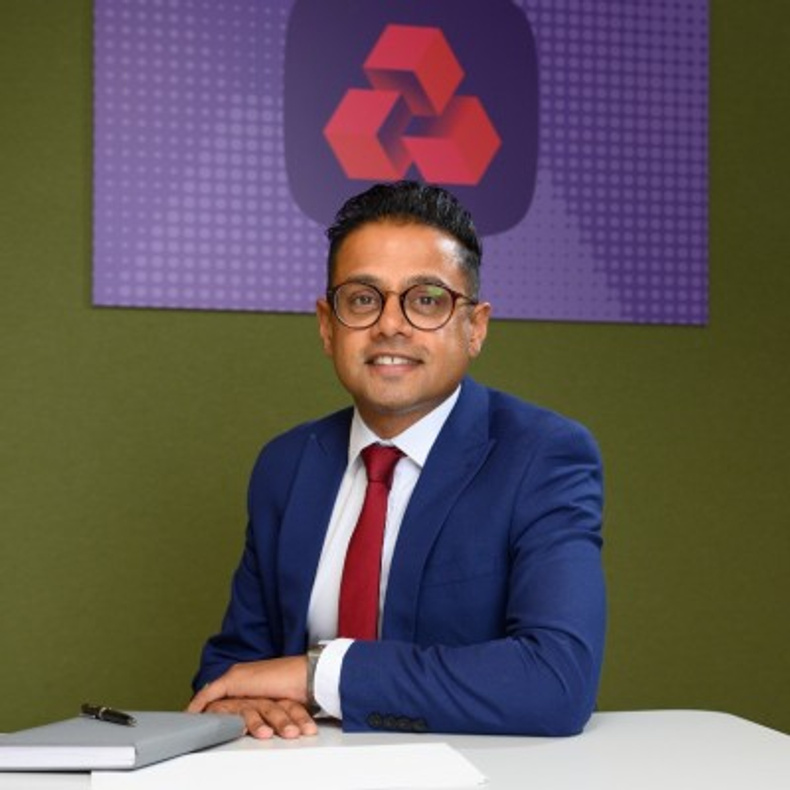
Joanne Roney CBE returned to her home city to take on one of the most demanding jobs in local government. As Chief Executive of Birmingham City Council, she has been charged with helping steer the organisation through the aftermath of a Section 114 notice, commissioner intervention and intense scrutiny of its finances, governance and services.
Now, Roney wants the conversation to move towards what Birmingham does next. With a balanced budget, a four-year financial plan and a formidable pipeline of regeneration and investment, she believes the city has an opportunity to rebuild confidence and turn growth into tangible benefits for its communities.
Birmingham has faced a turbulent few years, exemplified by the recent local election results. What gives you confidence that the city is now in the right direction?
The last few years have undoubtedly been challenging for Birmingham City Council, but where we are now delivering for the city is significant progress on addressing the issues that led to intervention and we can offer a more confident era.
Since the Section 114 notice in September 2023, the Council has taken difficult but necessary decisions to improve its finances, strengthen leadership and put the organisation on a more sustainable footing. We now have a balanced budget and a 4 year financial plan. The crisis issues such as Oracle and Equal Pay have been resolved.
Birmingham remains a city with enormous potential. We have one of the youngest and most diverse populations in Europe, world-class universities, strong businesses and significant opportunities for investment and growth.
My confidence comes from people across the Council, our partners and the new administration, there is a real passion for serving Birmingham and a shared determination to build a better future. We still have work to do, but I believe the city is moving in the right direction. We are now investing back into services for residents and growing our economy.
In setting BCC’s 4 year budget, I am pleased to not only balance the books but to see investment in street cleaning, enforcement, funding for culture and capacity put back into capacity to deliver growth.
We are credible and with WMCA in full and will take full advantage of devolution opportunities from the new Government to progress our local plan and future City vision.
2. The city centre continues to attract investment, despite significant challenges. What’s the Council doing to ensure that growth translates into tangible benefits for residents and works across Birmingham?
Attracting investment into Birmingham is important, but what matters to me is local people feel the benefit from it. Our focus is on turning growth into opportunity by connecting residents to jobs, apprenticeships, skills and training through our Employment Access Team. We have a talent pipeline like no other – 71,000 undergraduates in the city across 5-degree awarding institutions. Working alongside developers, employers and partners across the city we’re ensuring investment creates meaningful pathways into employment and supports the development of local talent. Too many of our young people are not in employment or training. Alongside businesses, we need to do more to create pathways from schools to jobs. Retaining, attracting and developing the talent here.
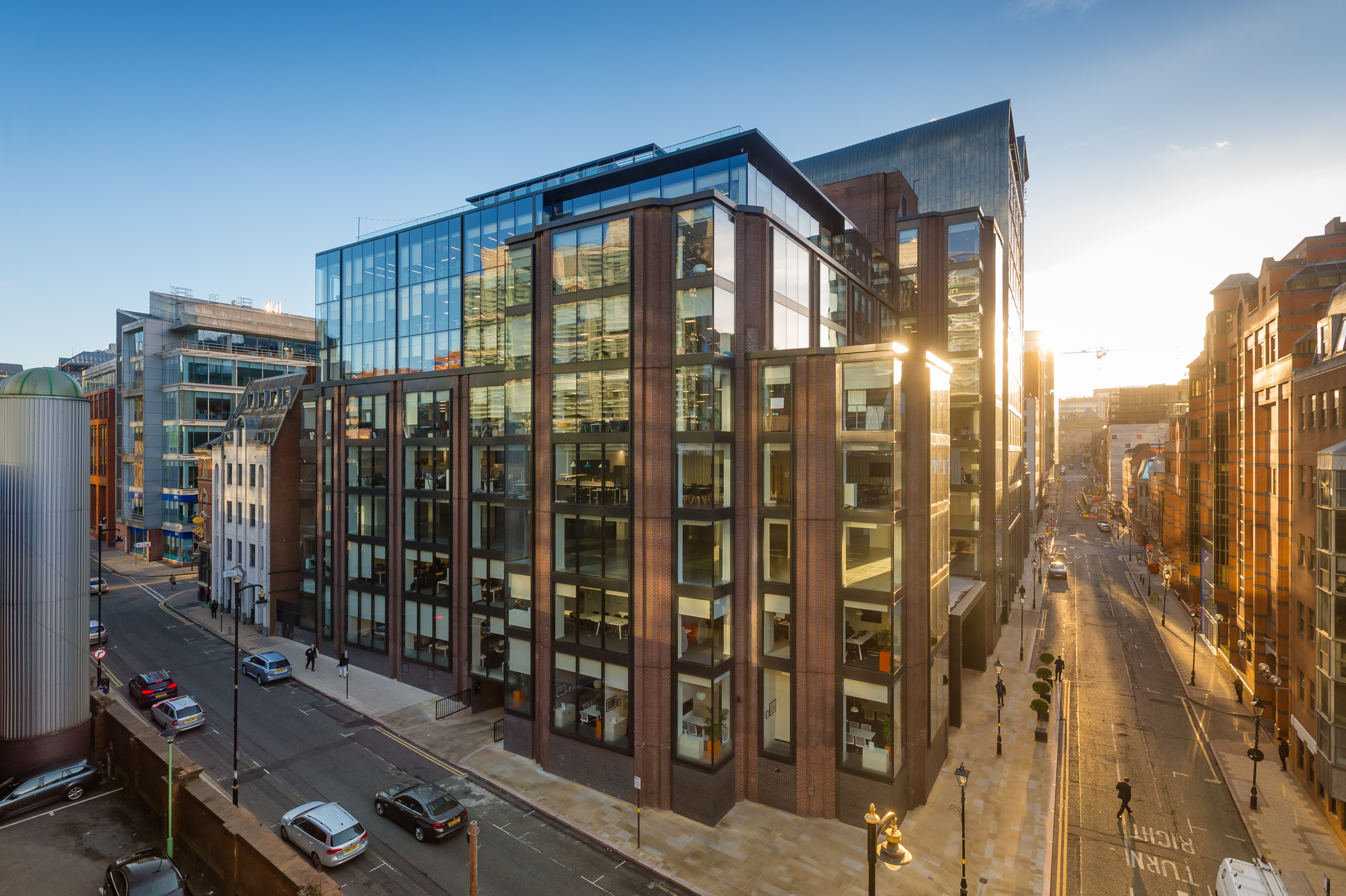
I’m pleased to say that we are seeing really strong buy-in from businesses, particularly within the Colmore Business District, who recognise the value of developing local talent and creating pathways into employment for Birmingham residents.
Ultimately, Birmingham’s success shouldn’t be measured just by cranes on the skyline, but by whether residents across the city have better access to good jobs, housing, education and public services. That’s how we ensure investment delivers lasting, inclusive growth that works for everyone.
3. How important is the city centre’s success to the wider success of Birmingham’s neighbourhoods and communities?
The city centre is Birmingham’s and the West Midlands economic engine and has actually seen some successes, bringing in record investment, creating jobs and attracting major employers, from the Big Four to a growing range of national and international businesses.
A thriving city centre creates opportunities for Birmingham’s neighbourhoods through jobs, supply chains, improved connectivity and greater business confidence. Building homes in the city centre creates the buzz needed to sustain culture and hospitality sectors. Major regeneration of Ladywood will improve the quality of our homes, alongside developing more city centre neighbourhoods and communities.
4. Many people love Birmingham’s energy and ambition, but some raise concerns about cleanliness, safety and the overall city centre experience. How are you addressing those perceptions?
People’s experience of a city is often shaped by what they see every day: the cleanliness of streets, the feeling of safety, and how well public spaces are maintained. BCC is now investing more in their services; I want to see improvement.
We’re working closely with partners including West Midlands Police, Business Improvement Districts and local businesses to improve standards. We are focusing on targeted enforcement, improved street maintenance, and creating a city centre environment that people feel proud of. Regaining public confidence requires consistent improvements, not simply announcements. Resolving the waste dispute and driving service improvement remains a priority. As we develop and grow the city centre, we need well designed public realm and green spaces which can be enjoyed by all.
5. Businesses often tell us they want greater certainty. What can the Council do to provide confidence and stability for investors and employers?
Businesses need confidence that Birmingham has a clear plan and the ability to deliver it. That’s why we’re focused on providing certainty around the city’s long-term growth agenda, backed by a strong pipeline of regeneration and investment opportunities. Recent announcements such as Birmingham Central Heart and the creation of the East Birmingham Mayoral Development Corporation with extra capacity and single front door for investors and funders. Demonstrates the scale of our ambition and has the potential to be genuinely transformative for the city centre and wider economy. A 1.1 billion investment potential, creating 20,000+ homes and 50,000+ jobs.
Just as importantly, we want to maintain an open and honest dialogue with investors and employers as those plans progress. Our ambition is for Birmingham to be known as a city that is confident, ambitious and easy to do business with. That means being clear about our priorities delivering on our commitments.
6. If someone visited Birmingham for the first time tomorrow, what do you think would impress them most, and what would you most like to improve?
They would see a place that is changing rapidly, with major investment, strong businesses, outstanding cultural institutions, as well as some of the best places to eat in the UK. Most of all, I hope they’d experience the warmth and welcoming spirit that makes Birmingham such a great place to live, work and visit.
What I would most like to improve is the consistency of the visitor experience and the ‘gateway’ impression. Every street, public space and transport interchange should reflect the ambition we have for Birmingham. That remains a significant focus for us. City Centres everywhere are struggling and need repurposed.
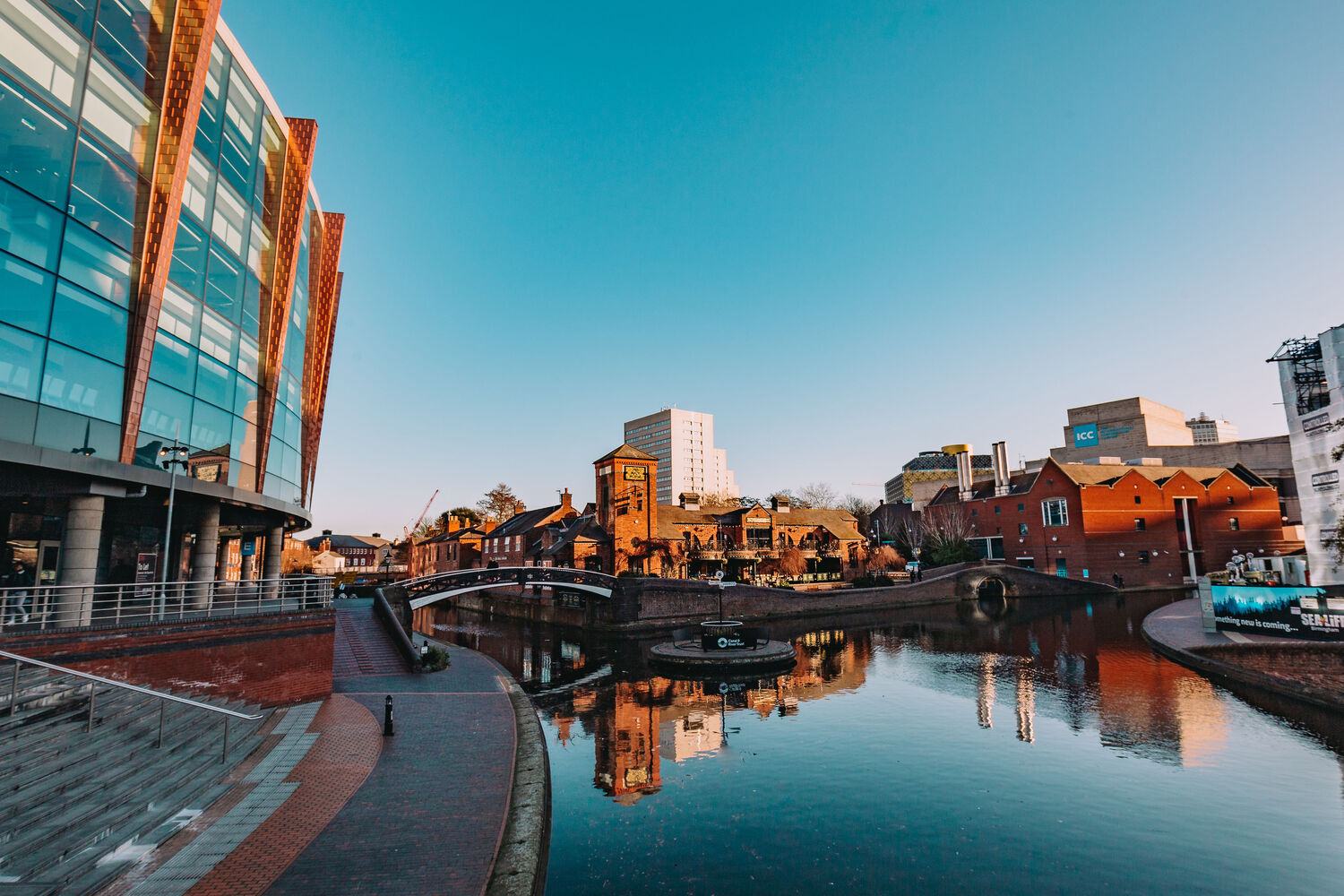
We are seeing a number of significant schemes coming forward which will help shape that future, from public realm and gateway improvements to transformational regeneration at Smithfield, Eastside, Digbeth, the Sports Quarter and Birmingham Central Heart. These schemes are not just about physical development; they are about creating places that feel connected, welcoming and attractive for residents, visitors, businesses and investors. That is the opportunity Birmingham now has — to match its ambition and energy with a consistently high-quality city centre experience and good quality design is at the heart of this.
7. Businesses invest heavily in their own working environments. How can the public and private sectors work more closely to improve the overall experience for everyone using the city centre?
If we are going to be successful and really make the most of the opportunities in our development pipeline, then we need public and private organisations to be working together as genuine partners with a long term commitment to Birmingham and a shared ambition.
Our businesses already make a huge contribution through investment and stewardship, and the Council has a key role to play in providing leadership and enabling co-ordination to drive delivery. By aligning our priorities and investing together in place-making, public realm and safety, we can achieve much more together than either of us could do alone.
Birmingham Colmore have demonstrated the value of that collaborative approach as have other partners. I know this shared desire and commitment exists.
8. Major transport projects have transformed parts of Birmingham. How do you balance long-term disruption with the promise of future benefits?
Major infrastructure projects inevitably bring disruption, and we never underestimate the impact that can have on residents, businesses and commuters. Our job is to make sure that disruption is managed as effectively as possible while keeping sight of the long-term benefits these investments will deliver for Birmingham.
While projects such as HS2 and the Metro are led by other organisations, the Council plays a key role in shaping how they are delivered. Working closely with delivery partners, coordinating activity across the city’s transport network and using our local knowledge and understanding of the city to ensure community concerns are heard and reflected in decision-making and delivery project planning.
The recent Saltley Viaduct closure is a good example, where we worked with HS2 and partners on developing mitigation measures, including significant investment in public transport services, extensive traffic management measures and a coordinated programme of communications and community engagement activities.
As the Local Highway Authority, we also play a critical role in coordinating a complex programme of works across the city, carefully managing road space allocation and considering the cumulative impact of multiple construction and infrastructure projects taking place simultaneously. This is particularly important in areas such as Eastside, where several major schemes are being delivered at the same time.
Ultimately, nobody enjoys roadworks or disruption, but better connectivity, improved public transport and major infrastructure investment are critical to Birmingham’s future growth. Our responsibility is to help ensure those long-term benefits are realised while minimising the short-term impact as much as possible.
9. What would you say to city centre businesses that feel the pace of change can sometimes make trading more difficult?
I understand why some city centre businesses can find periods of change challenging. Major projects can bring disruption, and that can affect day-to-day trading. That’s why it’s so important that we work closely with businesses to minimise impacts wherever possible and ensure businesses have a voice throughout the process. Delays to major schemes also cause a lack of confidence and ongoing communication and support to existing businesses is a crucial part of delivering major developments.
We also want to make sure communities and businesses see benefits long before a project is completed. Through programmes such as HS2, we’re helping secure local jobs, apprenticeships, wider social value investment. Strong governance and regular engagement with delivery partners also allow us to challenge where necessary, escalate concerns and ensure commitments are being met.
This is a globally tough environment for major regeneration, but our city centre schemes are progressing, and new funding opportunities exist with West Midlands CA, so our close working with the Mayor ensures we can maintain pace and continue to support developers and existing businesses.
Change can be difficult in the short term, but the goal is to create a better-connected, more prosperous city that supports our businesses to grow and thrive for the long term.
10. How would you like Birmingham’s national reputation to evolve over the next five years?
Over the next five years, I’d like Birmingham’s national and global reputation to become that of a city of strength and success.
We have world-class universities, strengths in industry, innovation and technology, and one of the youngest and most diverse populations in Europe. I want us to do more to retain the over 70,000+ talented graduates we produce, attract new investment and compete confidently with cities like Manchester, Liverpool and London.
I want Birmingham to be known for its ambition and influence on the world stage. By building on the success and legacy of the Commonwealth Games and capitalising on investments such as the Sports Quarter, we can continue to attract major events that showcase the very best of our city to the world.
The cultural offer in Birmingham already has a national reputation and our work with culture partners is equally important. The recent feedback from the European Athletics which saw 218,000 attendees and 39,000 additional visitors shows our ability and can give confidence that Birmingham has international appeal.
And Birmingham’s development programme is transformation and expansive. The Kings Cross development in London has been heralded as a major successful development regeneration. Birmingham has ten Kings Cross’s which underpin the ambition and future success of the city.
The fantastic result of the ABID now creates a resource for us to work in partnership with all of the BIDs to really promote this City.
11. What role do organisations such as Birmingham Colmore and the wider business community play in shaping that story?
This business community is large and diverse, and Birmingham’s has more businesses that any city in the UK outside London. They play a vital role. A city’s reputation is not created by its council alone. It is shaped by businesses, universities, cultural organisations, community groups and residents. Birmingham Colmore in particular is a powerful ambassador for the city and is in some ways a microcosm for how we should be promoting ourselves.
Just like Colmore’s 18th century Georgian roots to today, the city balances heritage with progress. The coat of arms of Birmingham has the artist and the engineer: they were the drivers of the Industrial Revolution of the city, and it was in places like Colmore Row where amazing individuals from the Lunar Society were at the forefront of new ways of thinking.
Colmore Row now has new buildings, new facilities, but we can still use those coat of arms, that collaborative philosophy, that thinking about how creativity, engineering, technology and science can work collectively to forge a brand new future for this city. I think that’s what makes us different and that’s what we have to realise through openness, conversation and collaboration.
12. The Council has faced intense scrutiny in recent years. What lessons have been learned, and how can businesses and residents be confident that those lessons are being acted upon?
The first lesson is that we must be honest about where things went wrong. The Council did not always get the basics right, whether that was financial management, governance or delivering against commitments, and that is why we faced the scrutiny and commissioner intervention that we did back in 2023.
The second lesson is that accountability matters. Residents and businesses expect a council that is transparent, financially responsible and focused on delivery, and they are right to expect that.
We have in place a clear Improvement and Recovery Plan and taken difficult decisions to put the Council on a more sustainable footing. I am confident that businesses and residents are beginning to see the benefits of that progress through stronger accountability, improved financial stability and a renewed focus on delivering better outcomes for our city.
We know trust must be earned, and we are doing that by improving services and delivering on our commitments.
I like to think personally that I have been accessible for businesses and have developed a way of working that supports our shared vision to progress our economic growth plan, improve services to attract and sustain growth.
13. If we interviewed you again in 12 months’ time, what result or achievement would you hope to point to as evidence of progress?
BCC will be doing basics well again – within the resources we have.
Residents and businesses don’t just judge us on strategies and plans; they judge us on whether we deliver the day to day services they need.
Key schemes will have spades in the ground, our relationship with WMCA will have ensured a strong pipeline that we have confidence in delivering. People will feel more confident that the cranes they see are providing the jobs they need, not just in the city centre, but more affordable homes will be being built, highways will be being repaired, more young people will be in employment. Through our neighbourhood work and Pride in Place programme from government, I hope people will feel changes in their local neighbourhoods with a Council responding to local priorities.
14. What’s the toughest decision the Council will need to make over the next few years, and why?
The toughest decisions will continue to be about balancing financial reality with the needs and expectations of a growing city.
Local government is operating in a challenging environment, and resources remain under significant pressure. We must make choices whilst protecting the services that matter most to residents and ensuring Birmingham remains positioned for long-term growth.
15. If you could deliver one message directly to Birmingham’s business community, what would it be?
My message to Birmingham’s business community is simple: stay engaged and keep telling Birmingham’s story. We know there are challenges and we know perceptions don’t always reflect the reality of what’s happening here. But Birmingham has a compelling story to tell, from the transformational Smithfield regeneration scheme to the new Sports Quarter, a world-class visitor and events offer, and a thriving creative sector in Digbeth that is gaining international recognition.
It’s not all about City centre, we also have significant investment and changes taking place across a range of Neighbourhoods.
Businesses are central to that story. We value the contribution you make to our economy, our communities and our identity as a city. Birmingham’s future will be shaped by strong partnerships, and our commitment as a Council is to work openly, and collaboratively to create a city that is ambitious, inclusive and full of opportunity for everyone.
This is why I came back to my home city, and why this is both the most challenging but most rewarding job I have had in my career.
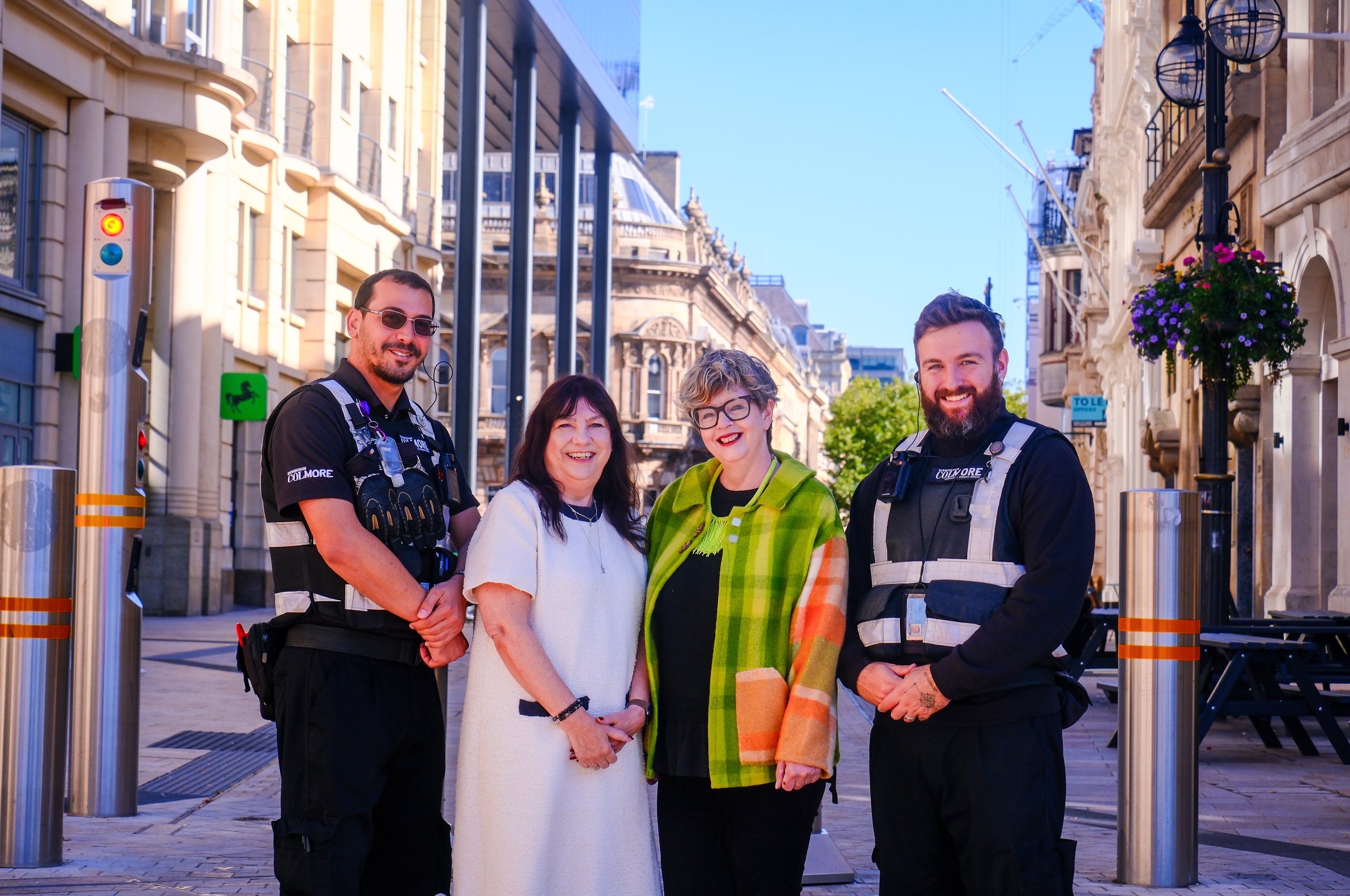
Image caption L-R: Dimitrios Mitropoulos (Community Support Officer), Joanne Roney CBE (Birmingham City Council), Michele Wilby (CEO, Birmingham Colmore) and Zack Palmer (Senior Community Support Officer)/