2026 is set to be a critical year for Birmingham, with major building and regeneration projects on the horizon and renewed financial stability at the council after several challenging years. This could set the foundation for increased growth and investment in the city.
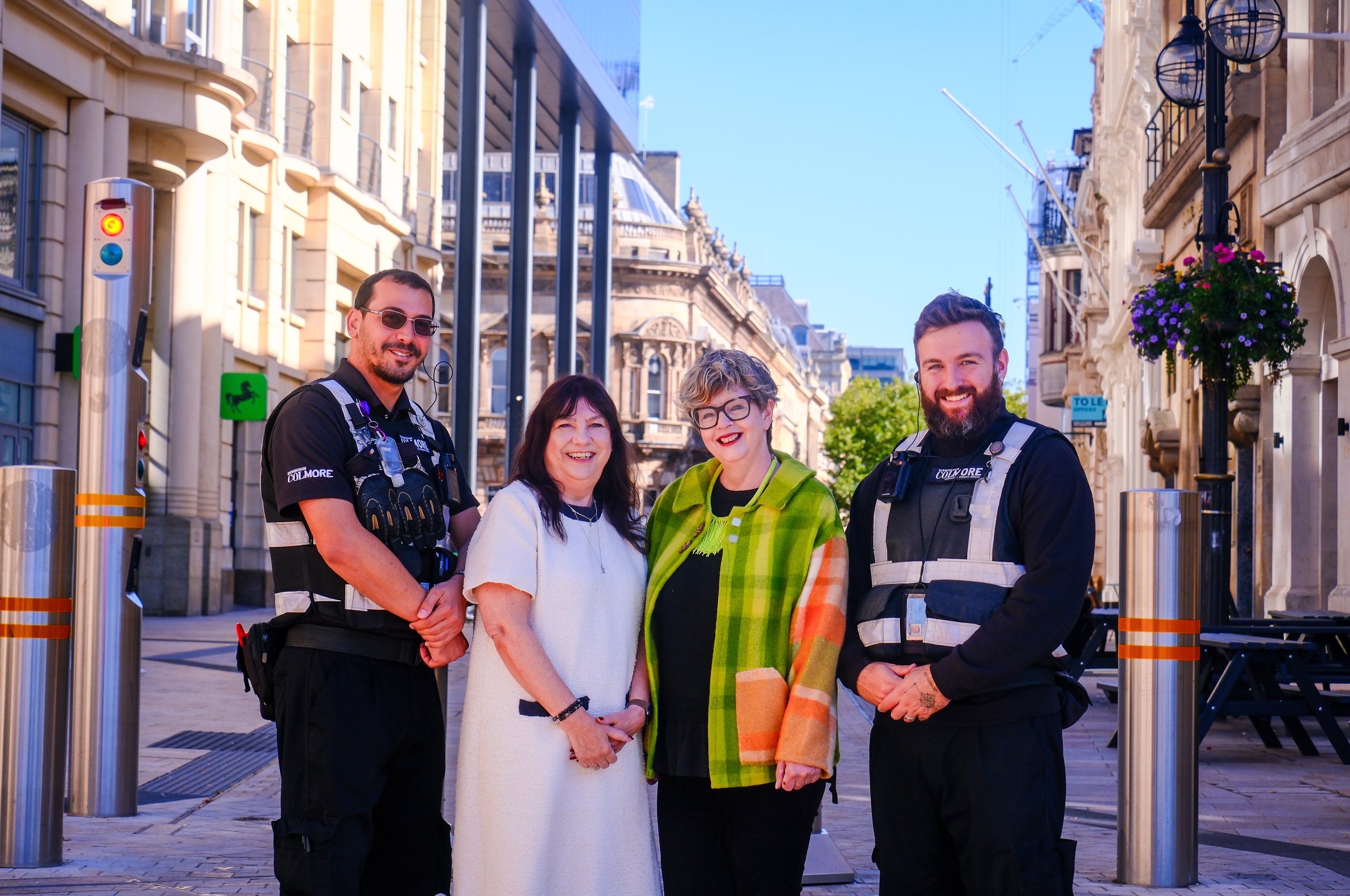
Arthur Morgan and Greg Collings, Partner and Associate Partner respectively in property consultancy Fisher German’s Birmingham team, recently attended a roundtable event with Birmingham City Council’s leader Cllr John Cotton.
Discussion delved into the future of growth and opportunity in the city, with a clear running message that Birmingham has a lot to be positive about – and plenty of potential still to be unleashed.
Birmingham, perhaps unfairly, has been dogged by negative headlines in recent years around some of the issues its council has faced, such as previous financial problems and bin strikes.
However, this does not reflect how the city itself is faring, especially when it comes to its built environment.
Despite its challenges, Birmingham remains the largest city economy outside London and one of the UK’s most investable urban centres, contributing 40% to the West Midlands’ economy.
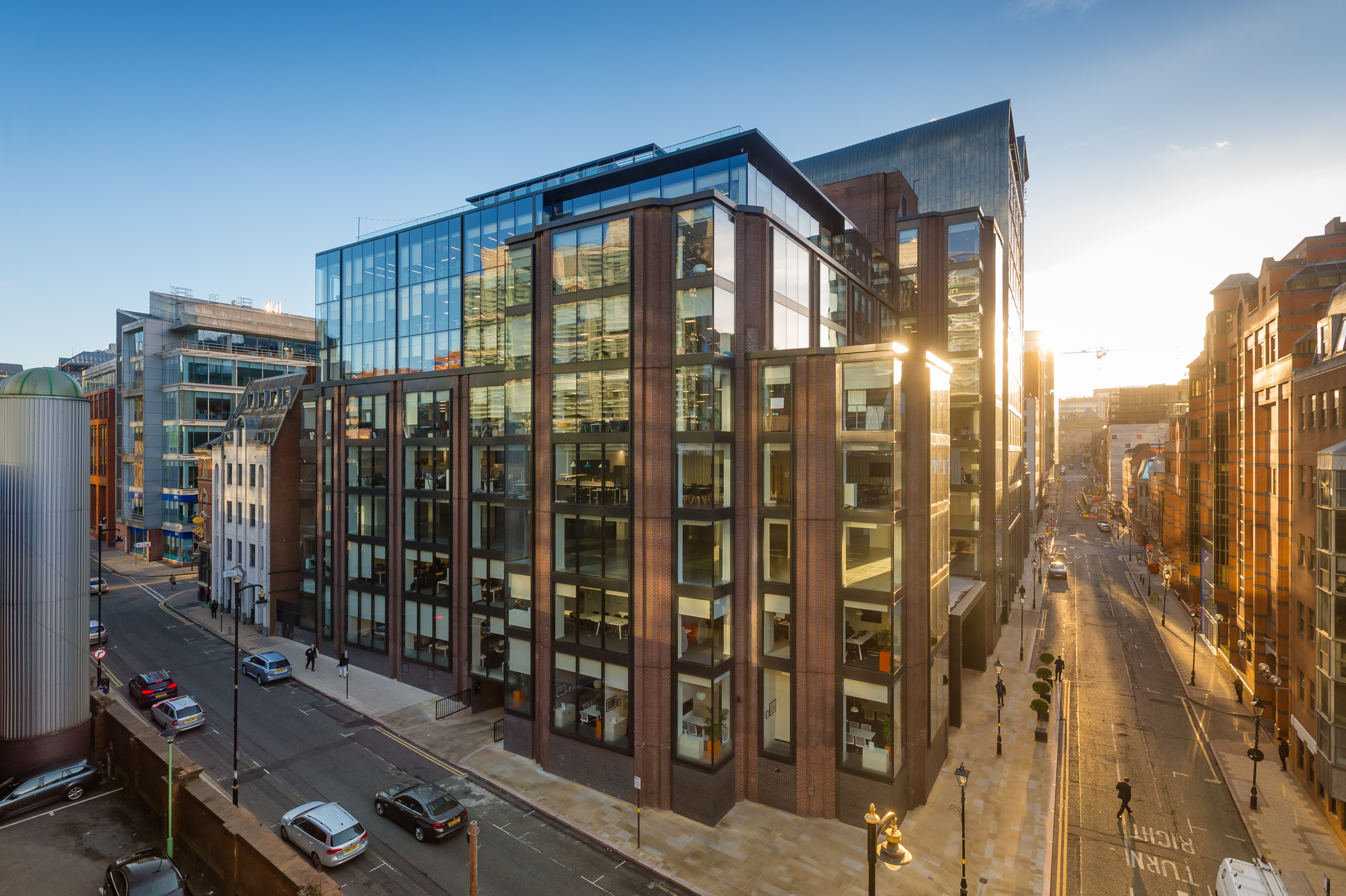
Large scale regeneration schemes, including the Sports Quarter around Birmingham City FC, the Knowledge Quarter around Aston University and Millenium Point, and a 12,000-home transformational scheme at Ladywood to the west of the city centre, all show huge confidence, ambition, and commitment to the city.
Meanwhile, the council has now re-established a balanced budget and strengthened its senior leadership team, putting it in a much better position.
However, there is still plenty to do to realise Birmingham’s potential.
Integral to unlocking this are the opportunities for further impactful placemaking. Against the backdrop of government planning reform, we are now seeing efforts to push towards housing targets at a greater pace, up and down the country.
Within Birmingham, Cllr Cotton himself stressed the need for the city to be aggressively pro-growth. He spoke also of a need to increase housing density – with Birmingham one of the least dense cities in Europe when it comes to housing.
But this opportunity to get more new development off the ground in Birmingham needs to be done strategically. It needs to balance different elements alongside housing, such as infrastructure and connectivity, through to green public space. It needs to focus on the bigger picture, ensuring that these projects create real, meaningful, impact for communities and people, right across the city. It needs to be ambitious, but deliverable.
Crucial to achieving this is partnership – whether that is between the public, private, or third sectors.
Strong collaboration between organisations such as Birmingham City Council, businesses, Homes England, the West Midland Combined Authority, universities, and community groups, will be vital if planned and future projects are to succeed.
For Fisher German’s part, the political will to bring sites forward for development and to be in favour of agreeing planning consent – also in part due to Government reforms around the National Planning Policy Framework (NPPF) – is excellent news for the city’s property sector.
Its role will be to ensure that the right sites come forward for development at the right time, sound investments are made, planning applications are as robust as possible and are well received by planning committees, and enable occupiers to move into those new developments so the city’s economy can grow.
We and the rest of the property sector in Birmingham are ready to play our part in helping the city to turn a corner in 2026 and make its ambitions a reality.