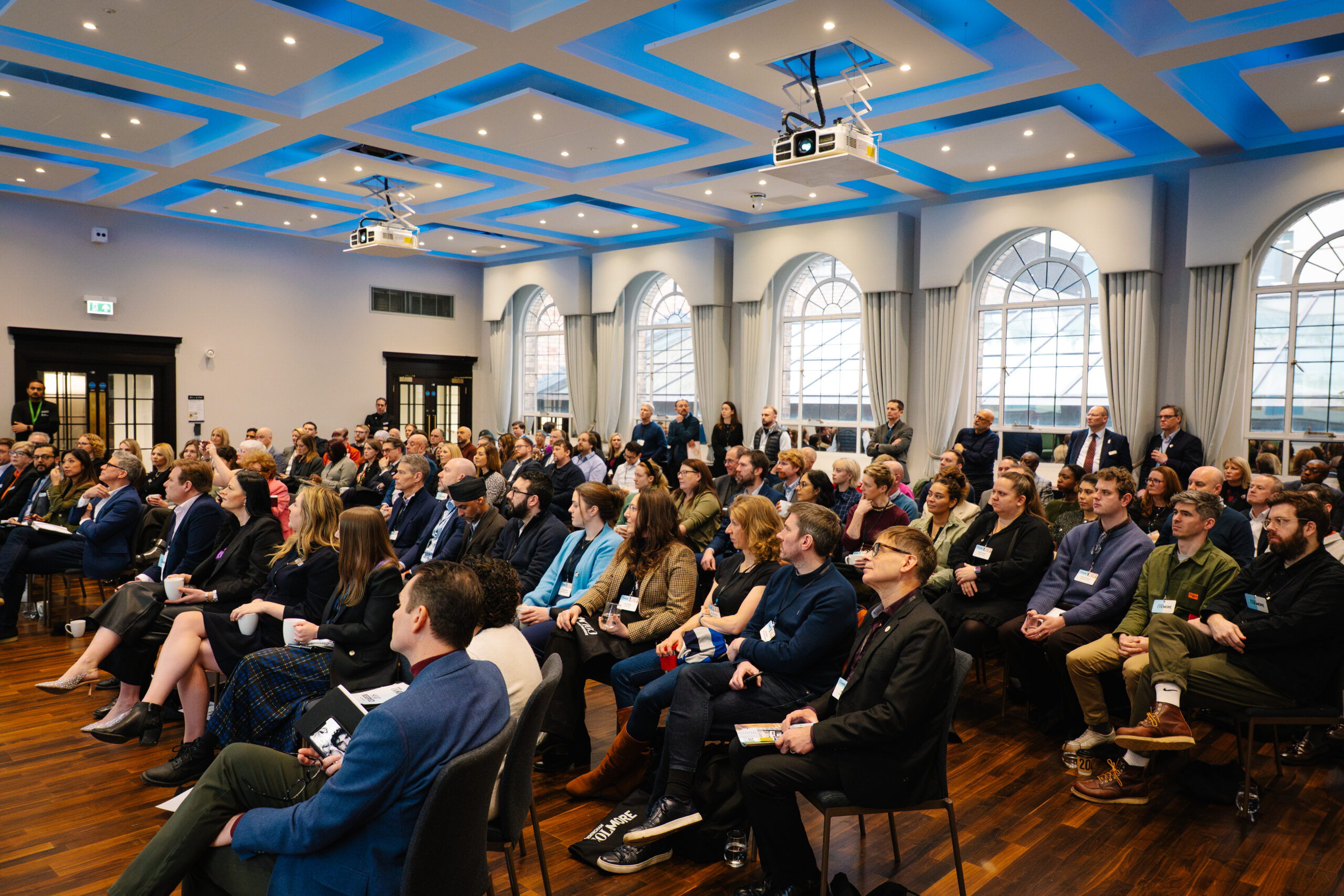
On 29 January 2026, Birmingham Colmore held its inaugural summit at The Exchange. The event was an opportunity to launch our two new brands: Birmingham Colmore, which covers all of our business activities, and Colmore Life, a phrase that is well known, but now cemented as our brand for all of the vibrancy that Colmore brings to the city.
But this wasn’t just a brand launch. It was a chance for us to hear from key figures about the challenges and opportunities in front of us, and to hear from some of the city’s leaders in business and culture on how we can seize those opportunities. If you missed it, here is a summary of what was discussed.
City Heart: a new settlement to deliver a thriving commercial centre
Councillor John Cotton, Leader, Birmingham City Council
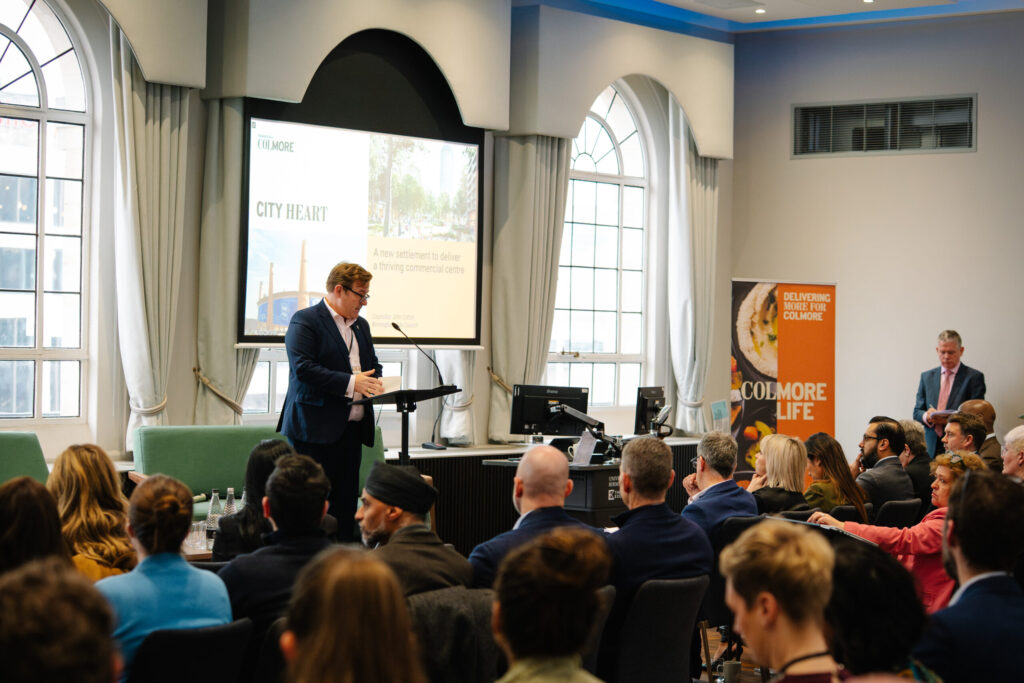
Councillor Cotton gave an overview of the key role Business Improvement Districts (BIDs) have in supporting growth in the city centre. He recognised the need for change at Birmingham City Council to one that is more collaborative – letting partners who expertise take the lead in places where the local authority might usually take a leadership role. He used the metaphor of a tale of two cities. The city has areas of deprivation and skills shortages which exacerbate this, and the centre needs to play its part in changing this. However, the success of the city centre, supported by BIDs has made the city more investable and this is key in helping all live more prosperous, successful lives.
Keynote speech: The Future of City Centre Place Making
Andrew Carter, Chief Executive, Centre for Cities
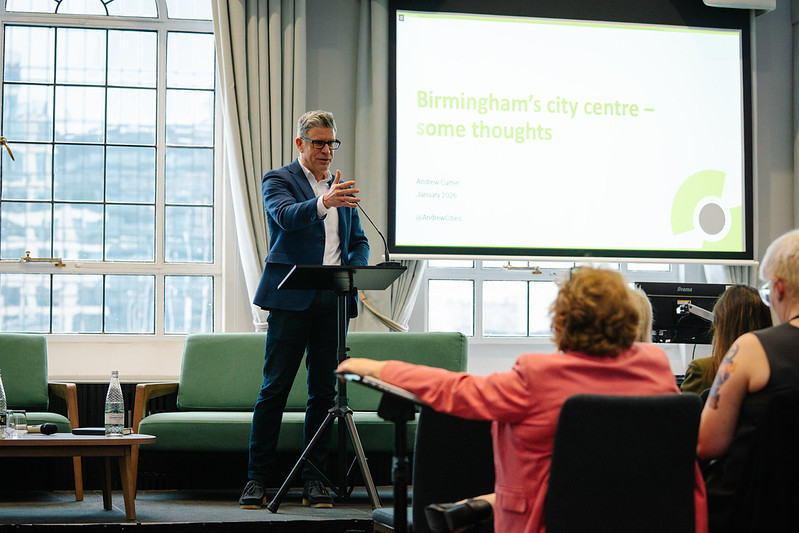
Andrew was able to give us an outsider’s view of the city, from an economist’s perspective. He highlighted the important role the city centre plays in the West Midlands economy; the area generates 14% of the region’s economic value and 27% of the region’s productivity, with 11% (150,000) of the region’s jobs being based in the city centre. However, we lag behind competitors such as Greater Manchester (which sees 14%, or 220,000 jobs in it’s centre). For scale, 34% (2.2m) of jobs in Greater London are based in the centre of London.
He highlighted the importance of a successful city centre to growing the living standards of those outside of the centre. As a series of next steps, he recommended finding a way to expand the city centre to allow the space to create more high skilled jobs. This expansion, however, also creates access to more entry level roles; the research shows that this approach doesn’t lock people out of the city centre employment market. To compliment this, he highlighted the need for an increased density of good quality housing close to the city centre to accommodate the influx of workers, and the need for good quality transport links for those living further afield, viewing public transport planning as a labour inclusion policy, rather than a logistics challenge. As an example, he cited Lyon, our twin city, who has used these levers to increase the quality of life in its city.
He noted, however, that this kind of change needs to be led and shaped by civic bodies, including those like Birmingham Colmore. However, addressing these long-term challenges, along with the lack of skills and economic activity, could help Birmingham become a more successful city.
In Conversation with Helene Dearn OBE: Growth for Everyone and the Importance of Place
Helene Dearn OBE Interim Executive Director for Strategy and Policy, West Midlands Combined Authority
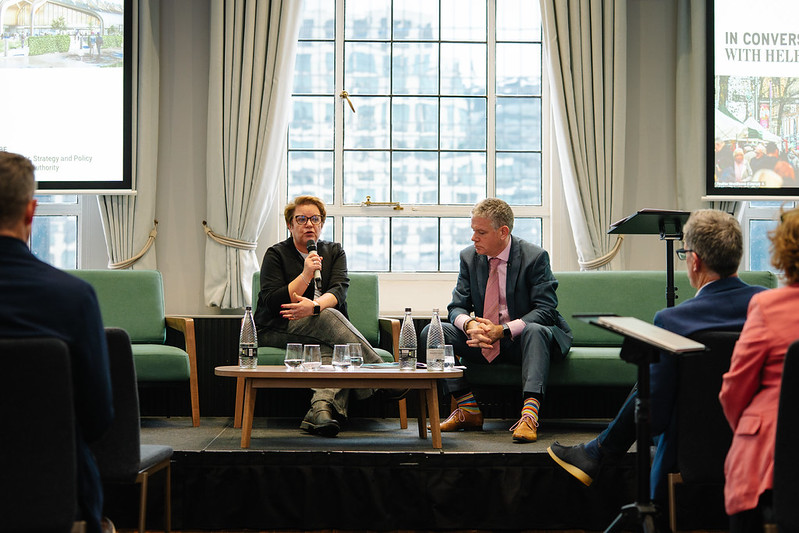
A key focus from the audience for this conversation was transport. Helene noted the enormity of the task of bringing the bus network under public control. However, other modes of transport are also being worked on with new stations for the rail network and ongoing work and extension of the tram system.
Helene was proud that the West Midlands Growth Plan has people at its heart. The elements that focus on growth and investment link back to the desire to improve life for the citizens for the West Midlands. Again, the skills shortage was highlighted. The WMCA is committed to reducing this. The trend is turning slowly in the right direction, and Birmingham is leading this, but more work is being done. There is a focus on how the WMCA can assist in the skills journey for people, getting them entry level skills and then supporting them on towards high skilled roles, particularly in professional services and advanced manufacturing.
Panel one: City Centre 2035
We then held the first of our two panels. Our first panel was comprised of Richard Lawrence, Executive Director of Place, Prosperity and Sustainability, Birmingham City Council; Joanna Lee-Mills, Partner, Ward Hadaway; Cathy Parker MBE, Professor of Retail and Marketing Enterprise, Manchester Metropolitan University; Emma Riley, Production Executive, Shine TV.
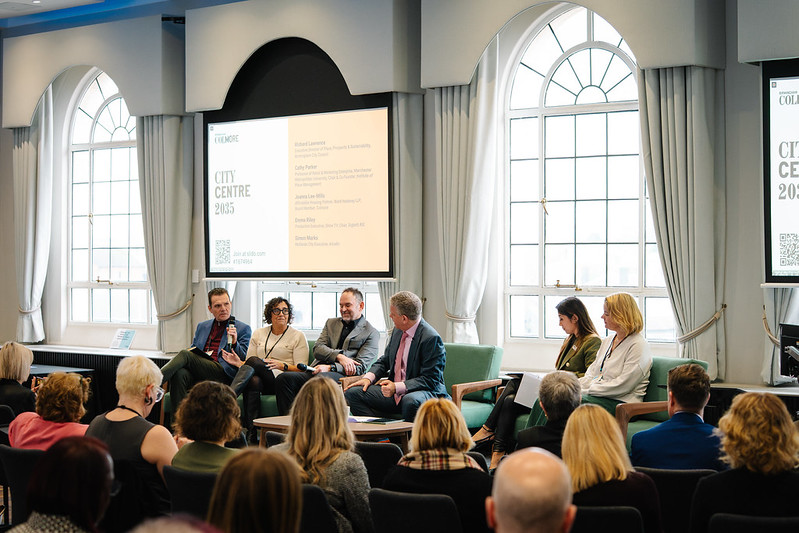
The panel were invited to discuss their vision for the city centre in ten years’ time. The panel expressed a range of thoughts, but it painted the picture of a city that is well connected, vibrant and full of green spaces with high quality public realm, such as that seen in Colmore Business District; a city with a world class mix of retail and hospitality, supported by a strong cultural offer; a city where the architecture is a sensitive mix of heritage and attractive new buildings. It was described as a place where operation and strategy align, driven by one team: Team Birmingham.
It was noted that there is a real challenge around high quality, affordable housing in the city. This reflects the challenge set out by Andew Carter in relation to how the city centre could grow and expand.
We also had an update on the developments taking place in Digbeth. TV Production is being reborn through the new BBC activity in the area, with Masterchef and Silent Witness already being filmed in the city, and more shows being secured. As this part of the city develops, it is being supported by a proposed BID in Digbeth, which hopes to preserve and support the unique vision of businesses in the area.
Before the pandemic, Birmingham had the fasted growing regional economy. Whilst the challenges ahead were recognised there was a belief that, as a city, we had been able to achieve this in the past, and with the right place leadership, we can do this again.
Inflection Point
Michele Wilby, CEO, Birmingham Colmore
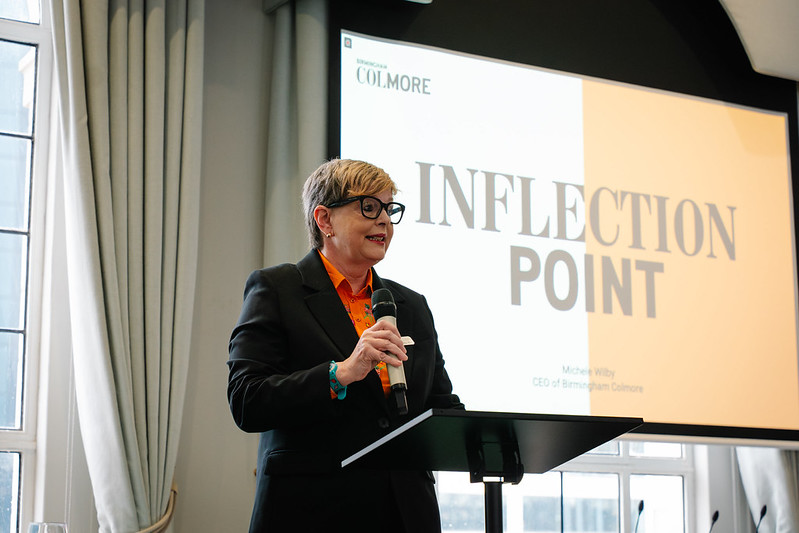
We took this opportunity to thank Sir Albert Bore for his longstanding contribution to the city centre. As well as being a Director on our Board since its inception, Sir Albert has been the driving force behind many of the changes over the last 30 years, including the development of Brindley Place, The Bull Ring, The Mailbox and the Canalside area. He has been supportive of our work, and the city centre, and will be greatly missed as he steps down from his role as a Councillor in May.
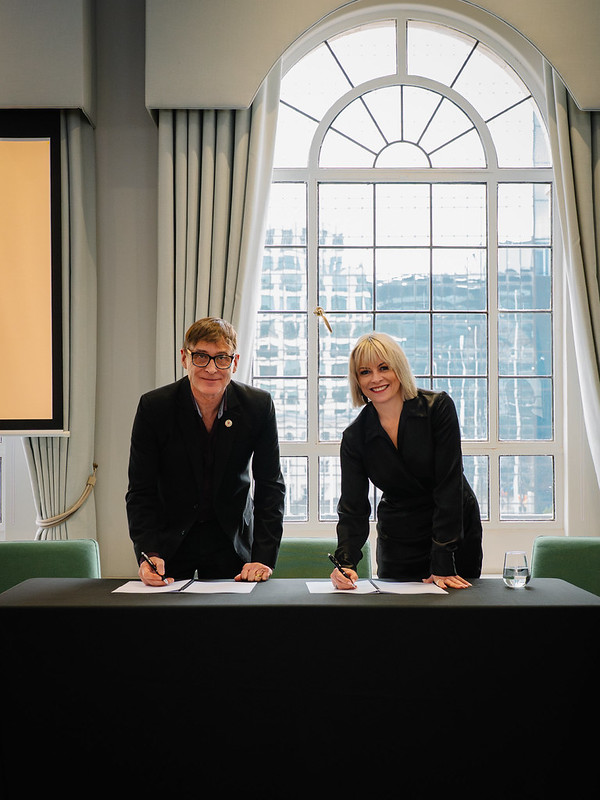
We also announced the formal signing of our historic partnership agreement with Southside Business District. As early adopters on the BID model in 2004, we have seen other cities benefit from exploring new ways of managing their centres. Our regional competitors now operate one of two models; one BID for the city centre (such as Leeds) or a series of small, tailored BIDs, managed and delivered by one overarching company. Our partnership with Southside represents the first step towards adopting this second model in Birmingham, and we are already in discussions with the nascent accommodation BID about how we can work together to provide a unified approach to service delivery.
Panel 2: New Narrative
Our second panel featured the following speakers: Henrietta Brealey, Chief Executive, Greater Birmingham Chamber of Commerce; Jane Haynes, Politics and People Editor, Birmingham Live; Alex Tross, Partner, Carter Jonas; Sam Watson, Store Director, Selfridges; Alex Nicholson-Evens, City Curator, Birmingham Colmore.
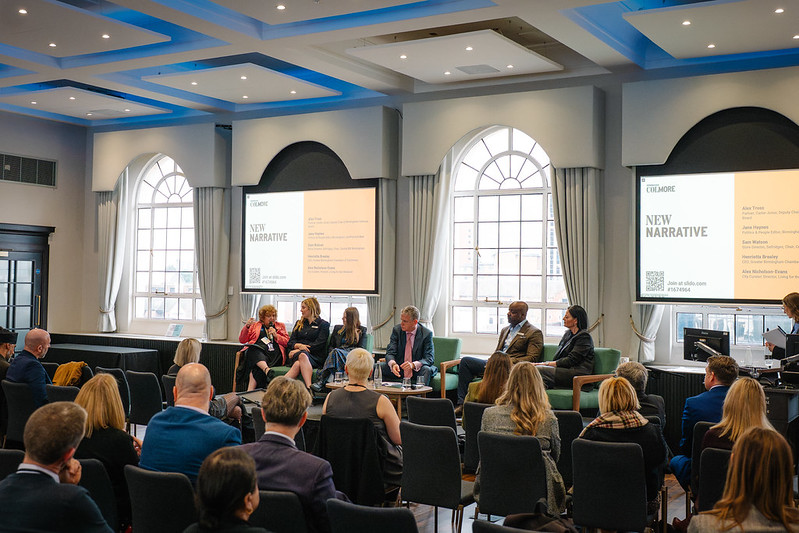
It was noted that the summit felt like the start of the development of a united voice for the city centre and that this was valuable. The city centre should be bold, unique and relentless, and bold conversations need to start now.
The panel recognised some of the concerns that are often raised about Birmingham, safety being a key concern. However, it was also noted that a lot of work and partnerships are already formed around trying to reduce and tackle crime. This work, however, often isn’t well articulated.
As a key element of what makes a city attractive, the panel discussed the need to support culture, especially as a driver of economic activity, and that many of the barriers here are structural and need challenging. Again, there is a good cultural offer in the city, but this could be enhanced by a more unified approach.
Linked to this is a need to start actively curating the offer of our city centre, be that culture, retail or hospitality, and then presenting this positively and with support from all. The elements are already there. We need to grow, diversify and do better at telling this story. There is a tendency to focus on the negative perceptions of the city, but we forget that often people take a positive view of Birmingham has to offer. Whatever people need from a city, Birmingham has it. We simply need to articulate this better. If New York can change its story, so can Birmingham.
What you asked us
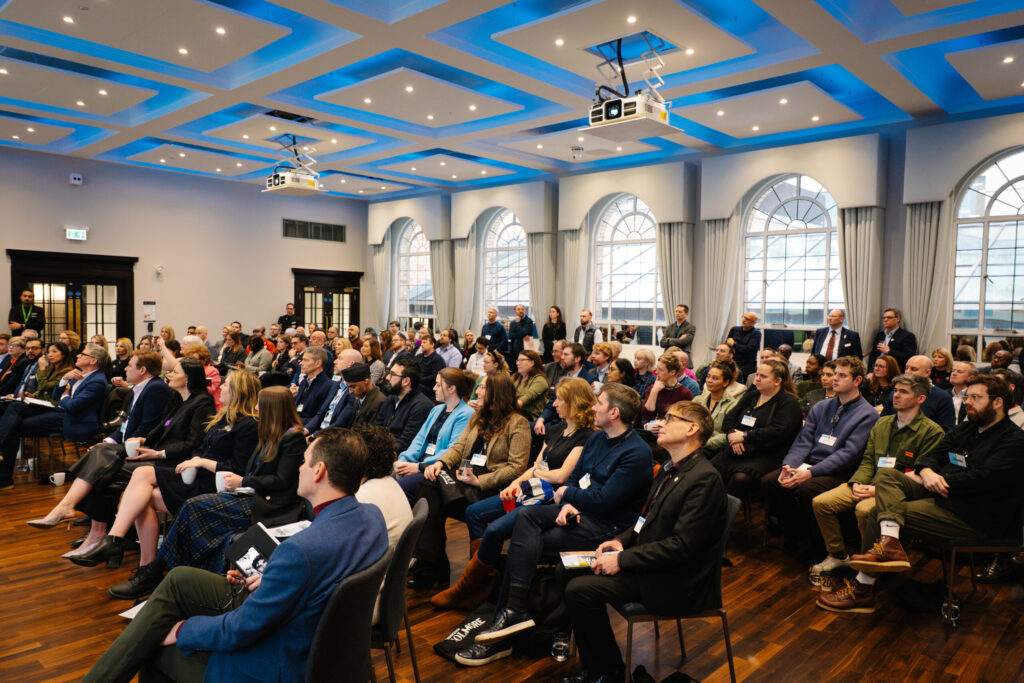
The summit was designed to prompt discussion. Alongside our various speakers, we asked our guests to give us their views on a range of topics. Here are the highlights, and our thoughts following what we heard on the day.
What single advance would make Colmore and the wider city centre an even more thriving and vibrant place?
This question provoked a wide range of responses, but three stood out. In order of popularity, attendees told us they wanted to see:
- Open, greener spaces
- Better connectivity, both in terms of transport and digital
- An overall safer environment
Creating green spaces in a dense city centre is a challenge, but one that needs grasping. Birmingham Colmore has made a start, delivering various public realm projects in our District such as Church Street Square, and we continue to look for opportunities to expand this programme. But we recognise this requirement for the city centre and will seek to advocate and influence for this where possible. A challenge? Yes. Impossible? No.
The importance of transport into and around the city centre was a key pillar of Andrew’s keynote. We are particularly keen to see better joined up sustainable modes of transport linking the city centre to other parts of the city to drive that growth in living standards, and we want to see movement on improved transport at night, both to support our Night Time Economy and those who work in it. We also agree that we, as a city, should look to grasp digital opportunities where we can.
Safety is a key concern for Birmingham Colmore. We have a range of projects that we deliver, especially around reducing violence against women and girls. However, we aren’t complacent. We know that we, as a city and a country, need to do more, and we will continue to work in close partnership with colleagues to make Birmingham as safe as we can.
How do you react to the city centre experience?
Improvement has two key aspects: The actual output of what you do, and how it resonates with those who experience it. After 15 years of working to improve the city centre, we wanted to ask again how people feel about it rather than just focusing on the work that has been done.
It was the sensory impact that stood out in the responses to this question. The quality of paving, cleanliness and the perceptions of safety stood out as areas of concern. But there was also positivity and optimism here. Despite these issues there was still a sense of “buzz” and excitement, a recognition that it is a place of variety, and even aspiration for times to come, linked to the three themes set out above – a well connected, safe city with culture and entertainment at its heart.
News from the Future 2035 – what would you like to see as the main headline about Birmingham in 2035?
What headline would you like to see about Birmingham in 2035? If you’re reading this summary, we’re sure you have an idea or two! However, if you need some inspiration, our audience had plenty to say.
Whilst not a standalone headline, the key theme that came through was a desire for Birmingham to have its own, solid identity. The room was tired of seeing the city pitched against others and forced to justify its role in the UK. To us, this should be a rallying call and a key target over the long term.
Green space also featured in the responses, particularly around the A38. Our guests favoured the suggestions that have been around the city centre for the last few years that this should become a park, rather than a rush hour car park in the middle of our city.
Housing also featured strongly. Andrew Carter talked about the need for good quality housing, especially close to, and connected to the city centre. Our audience wanted to see this concept delivered successfully by 2035.
All of this was underpinned by headlines showcasing a lively, bustling city which is prosperous for all. Birmingham Colmore is in full support of this vision for our future. There was also some discussion over whether Aston Villa or Birmingham City should be at the top of the premiership, but we’ll let you decide how that headline should read!
We’d like to thank all of our speakers, panellists and guests for joining us at the Birmingham Colmore Summit, and for the thoughtful insights and questions that were asked. These are helping us shape our work in the coming years. There were a number of questions posed at the summit that we didn’t have time to answer. However, we will be reviewing these and responding where we can in future posts.
The Birmingham Colmore Summit represents the beginning of a new chapter for our District and, we hope, the city centre. We’re asking you to join us on this journey. Let’s get started.